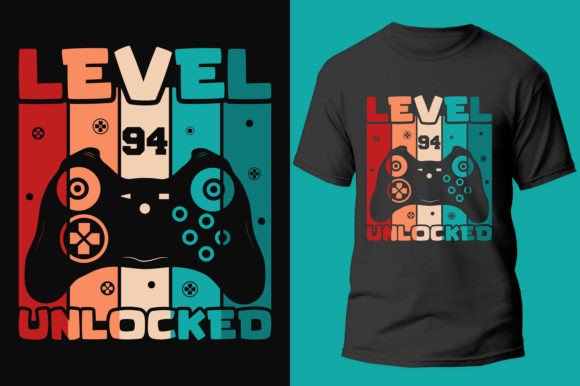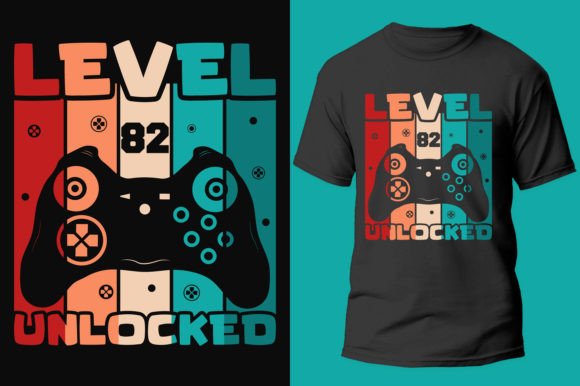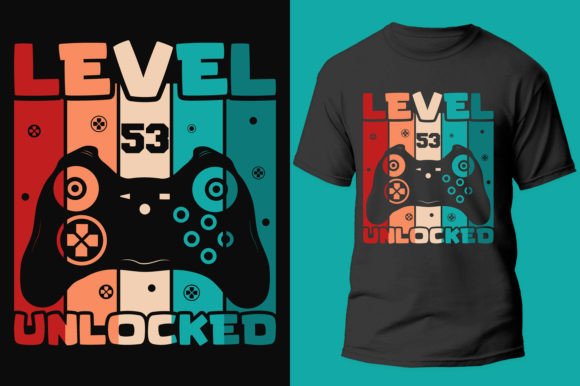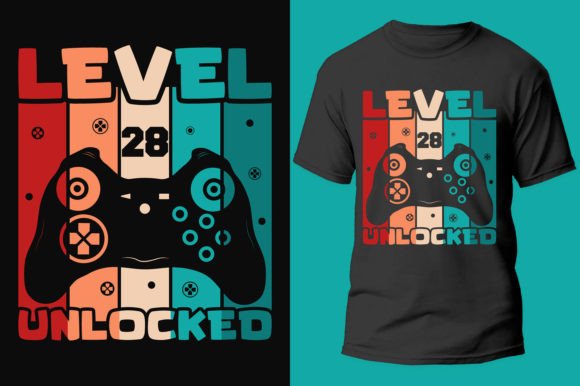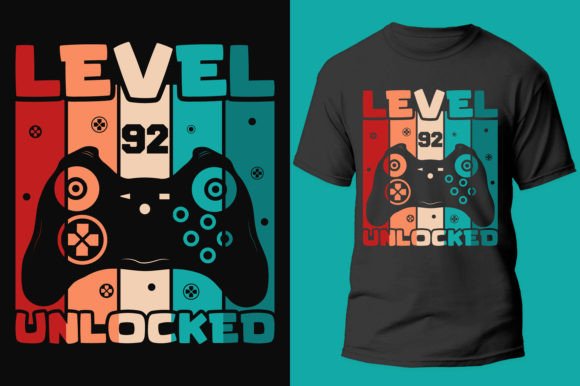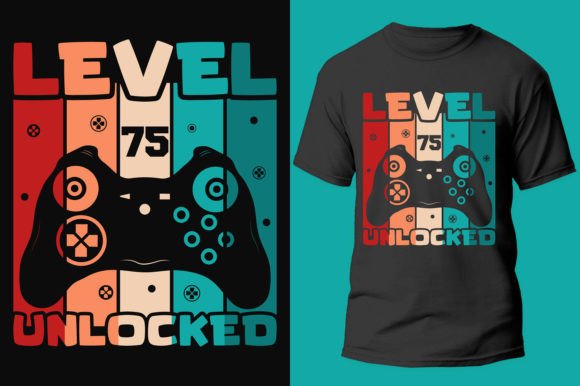
Gamer Gaming Level 75 Unlocked: Your Gateway to Premium Digital Art Assets
In the creative world, high-quality digital assets are the cornerstone of standout projects. Gamer Gaming Level 75 Unlocked represents a specific, professional-grade graphic asset bundle centered around a popular gaming milestone achievement theme. It’s not just a single image; it’s a comprehensive package of versatile file formats designed for commercial and personal use across a wide array of products and mediums. For creators, entrepreneurs, and hobbyists looking for a ready-to-use, resizable design element with a clear gaming connotation, this bundle offers significant convenience and quality.
However, simply downloading a ZIP file and extracting it is where many potential issues begin. The excitement of acquiring new assets can lead to overlooking critical details that impact the final result. Understanding exactly what you’re getting, and how to use it properly, is essential to avoid frustration, wasted time, and subpar finished products.
Common Oversights When Acquiring Digital Asset Bundles
A primary mistake is treating all digital graphics as interchangeable. Gamer Gaming Level 75 Unlocked specifically provides multiple file types—PNG, SVG, EPS, DXF—each with a distinct purpose. The transparent PNG is ideal for direct digital placement, while the vector files (SVG, EPS) are for scalable, lossless resizing in design software. The DXF file is often used for CAD and cutting machines like those for engraving or vinyl. Using the wrong file for your intended application, like trying to print a large-format T-shirt with the low-resolution PNG instead of the vector EPS, will directly compromise quality, leading to pixelated, blurry outputs.
Another frequent misunderstanding relates to color. The note about color variation is not a disclaimer to be ignored; it’s a fundamental reality of digital design. Monitors calibrate colors differently, and printing processes (inkjet, screen print, sublimation) each render colors uniquely. Assuming the vibrant blue on your screen will print exactly the same on a mug is a recipe for disappointment. A better approach is to use the provided vector files within your design software to check color values and, if possible, create a small physical test print before committing to a large production run.
The Pitfall of Ignoring File Specifications
The listed specifications—size, resolution, 100 vector shapes—are your quality guarantees. The 4500×5400 size at 300 DPI for the PNG ensures it’s suitable for high-quality prints at substantial dimensions. The “100 Vector Shapes” detail means the design is not a monolithic, difficult-to-edit block; it’s composed of many individual elements, making resizing and color alteration genuinely easy as described. A common error is not verifying that your own software supports these formats. For example, some basic graphic tools might not open an EPS 10 file. Before purchasing or using the bundle, confirm that your applications (Adobe Illustrator, CorelDRAW, Inkscape, etc.) can handle the included vector formats to fully utilize the asset’s flexibility.
Practical Advice for Optimal Use and Application
To avoid these pitfalls, adopt a methodical approach. First, always inspect the extracted files immediately after download. Open each format in your respective software to confirm they are intact, layered correctly (where applicable), and match the description. This quick check prevents discovering a corrupted SVG file only when you’re midway through a client project.
For color management, work with defined color codes. Within your vector software, you can change the fill colors of individual shapes to specific Pantone, HEX, or CMYK values tailored to your production method. This gives you and your printer a precise reference, minimizing variation. If you’re applying the design to different products—say, a dark T-shirt and a white mug—consider creating two adjusted versions: one optimized for dark backgrounds and one for light, using the easy color change capability inherent in the vector shapes.
Regarding application, match the file to the medium. Use the vector files (SVG/EPS) for any physical print product, especially where resizing is needed. Use the PNG for web graphics, social media posts, or digital mockups where a transparent background is required. The DXF file is your go-to for CNC routing, laser cutting, or vinyl plotting. This intentional pairing ensures technical quality and professional results.
What to Evaluate Before You Decide
Before integrating Gamer Gaming Level 75 Unlocked into your workflow, ask a few key questions. Does the gaming achievement theme align with your target audience or personal style? Is the design complexity appropriate for your intended items—the 100 shapes offer detail, but is that suitable for a small sticker? Do you have the technical capability to edit the vector files as needed? Furthermore, consider the license terms often associated with such bundles; ensure your usage—commercial resale on products, for example—is permitted.
Finally, think about integration. How will this asset complement your existing brand or project? It’s a powerful standalone graphic, but it might be enhanced with additional text, borders, or other elements you create. The bundle’s strength is its foundational quality, giving you a robust starting point to build upon, not a finished, unalterable product. Approaching it as a flexible component, rather than a final solution, unlocks its true value for T-shirts, cards, frames, and all the listed applications.
By paying attention to format purposes, color realities, and your own technical environment, you can leverage Gamer Gaming Level 75 Unlocked effectively. This turns a simple download into a reliable, high-quality asset that elevates your creative projects, avoids common production errors, and delivers the professional results your audience expects. Remember, the quality of the final product always depends on how wisely you use the tools at hand.