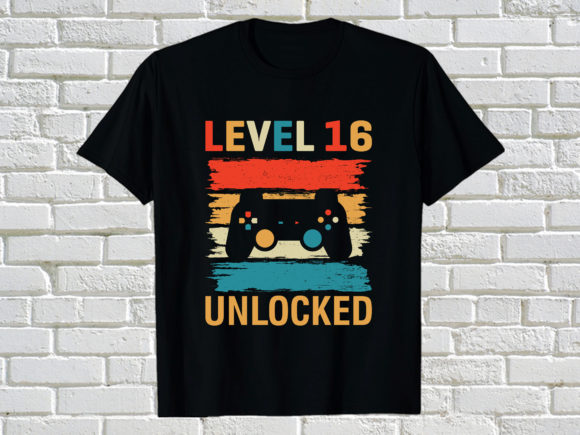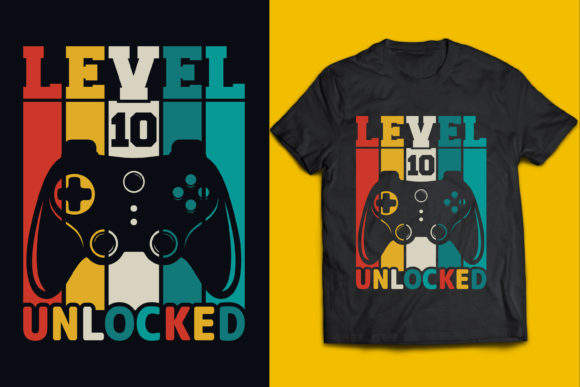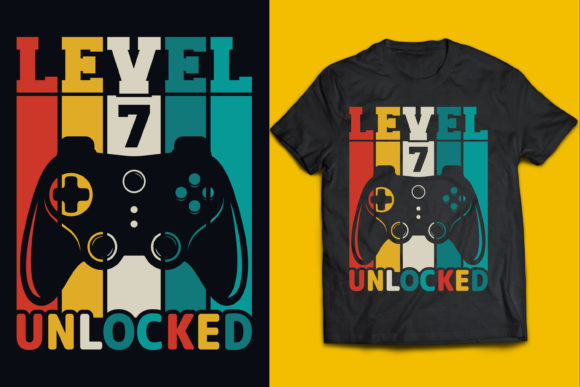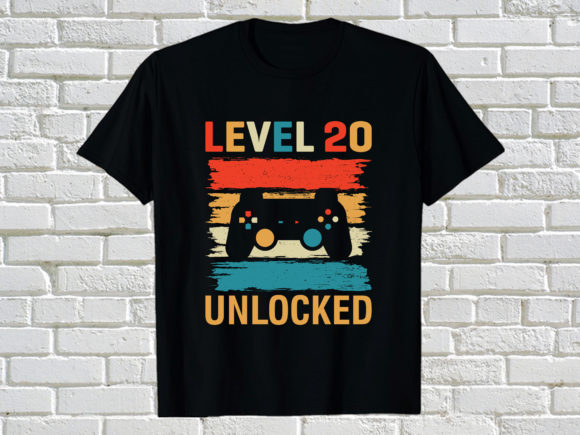
Gaming Level 13 Unlocked: A Digital Asset for Creator Workflows
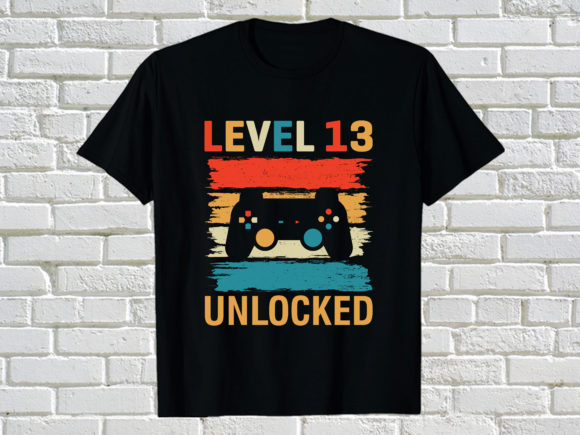
The phrase “Gaming Level 13 Unlocked” carries a specific weight in gaming culture. It represents achievement, progress, and a milestone earned through skill and persistence. When this concept is translated into a high-quality digital design file, like the Gaming Level 13 Unlocked T-Shirt and sublimation design package, it becomes more than just a graphic. It transforms into a versatile digital asset, a ready-to-implement component that integrates directly into the creative and commercial workflows of designers, entrepreneurs, and hobbyists.
The Role of Ready-Made Designs in a Production Pipeline
For anyone producing custom merchandise, managing time and resource efficiency is critical. The development of a unique design from initial concept to final print-ready file is a process involving sketching, digital illustration, vectorization, and format optimization. This Gaming Level 13 Unlocked design package effectively sits at the end of that conceptual pipeline, providing a finished, professional-grade asset. Its inclusion in a creator’s toolkit allows them to bypass the earlier stages of design creation, freeing up hours for other tasks like marketing, customer service, or production itself. This is not about replacing original creativity; it’s about supplementing it with specialized, high-quality components that accelerate the overall workflow.
File Formats and Their Practical Applications
The package’s inclusion of EPS, SVG, PNG, and a high-resolution 300 DPI file is a deliberate curation for compatibility across different production methods. Each format serves a distinct function in a practical implementation.
- The EPS and SVG files are vector-based. This means they are mathematically defined and can be scaled to any size without losing quality. For a workflow involving cutting machines like Cricut or Silhouette for vinyl decals or engraving, these are the essential files. They ensure clean, sharp lines for intricate detailing.
- The high-resolution PNG (4500×5400 at 300 dpi) is a raster file ideal for direct printing applications. When used in sublimation software for t-shirts or mugs, or loaded into a printer driver for iron-on transfers, this file provides the pixel density needed for a crisp, detailed final product on fabric or ceramic.
- The compression into a single ZIP file is a simple but crucial organizational step. It consolidates the asset, making it easy to archive, share between team members, or store within a structured digital library of design resources.
Integrating the Design into Specific Product Workflows
The mention of t-shirts, mugs, pillows, and more isn’t just a list of possibilities; it outlines clear use cases. Integrating this asset into a product creation workflow requires understanding the steps for each medium.
For sublimation printing on a t-shirt, the workflow might involve: prepping the blank shirt, loading the PNG file into sublimation software, mirroring the image for transfer, printing it onto sublimation paper with a specific printer, and then using a heat press to transfer the design. The Gaming Level 13 Unlocked design is the ready-made visual element that plugs into the “load the file” step. Its high resolution ensures no pixelation occurs during the heat press process, a common quality control concern.
Similarly, for creating a vinyl decal using a cutting machine, the process starts with importing the SVG or EPS file into the machine’s software. The vector nature of the design allows the software to perfectly trace the paths for the blade, ensuring the “Level 13” text and any accompanying graphics are cut cleanly from the vinyl sheet. This compatibility prevents the frustrating workflow interruptions that occur when a low-quality or incompatible file fails to import correctly.
Beyond Merchandise: Extended Use Cases
While the primary applications are for physical products, the design’s utility extends into digital and hybrid projects. A blogger or educator focusing on gaming culture might use the PNG as a striking visual element in a digital invite for a community event or as a graphic within a presentation. A scrapbooking hobbyist could print it for a themed page celebrating a personal achievement. This flexibility means the asset isn’t locked into a single workflow stage; it can be employed during the design phase of a card, the production phase of a mug, or the finalization phase of a personal project.
Preparation and Long-Term Asset Management
Smooth integration begins with proper preparation. Upon downloading the ZIP file, the immediate step is extraction using a standard tool like WinRAR or the built-in OS utilities. Organizing the extracted files is a recommended next step. A consistent creator might have a dedicated folder structure—perhaps “Design Assets > Gaming Themes > Complete Sets”—where this and similar packages are stored. This organizational habit ensures the files are easily retrievable months later when a new product idea emerges, supporting long-term use and efficiency.
Before committing to a full production run, a practical implementation tip is to conduct a test print or cut. Using a small sample of vinyl or a test mug to output the design confirms color rendering (especially important for the black and white version), sizing, and final appearance. This step acts as a quality control checkpoint within the workflow, preventing wasted materials and ensuring the final product meets expectations.
Interacting with Other Resources and Decisions
The Gaming Level 13 Unlocked design does not operate in isolation. Its use interacts with other decisions and resources. The choice of blank product—the color and material of the t-shirt, the type of mug, the quality of the vinyl—directly affects the final outcome. A white design sublimated onto a dark shirt requires a specific type of sublimation blank. Furthermore, this asset might be combined with other design elements from a creator’s library. For instance, it could be layered with a separate background graphic in design software to create a more complex, unique final product before proceeding to the cutting or printing stage. This demonstrates how a pre-made design can serve as a core modular component within a larger, customizable creative process.
A Tool for Celebrating Milestones and Building Community
The thematic core of the design—celebrating an unlocked level—aligns it naturally with projects centered on achievement and recognition. An entrepreneur running a small gaming merch store might use this design to create products for customers celebrating a personal gaming milestone. A friend, as noted in the description, could employ it to create a custom gift for a supporter’s special day. This shifts the application from a purely commercial workflow to a personal, gift-making process. The steps remain the same (file selection, material prep, production), but the initiating trigger is a personal event rather than a market analysis. This dual applicability increases the asset’s value, making it a versatile tool for both business and personal project pipelines.
Ultimately, the value of such a design package lies in its readiness and specificity. It provides a clear, process-oriented shortcut. For the professional, it’s a scalable asset that reduces time-to-product. For the hobbyist, it’s a gateway into quality production without needing advanced design skills. By understanding the included formats, their respective applications in different production stages, and how to organize and test the asset, a user can seamlessly integrate the Gaming Level 13 Unlocked design into their existing methods, turning a digital file into a tangible token of accomplishment.