The Art of Nostalgia: How Retro Gaming Console T-Shirt Designs Capture Culture
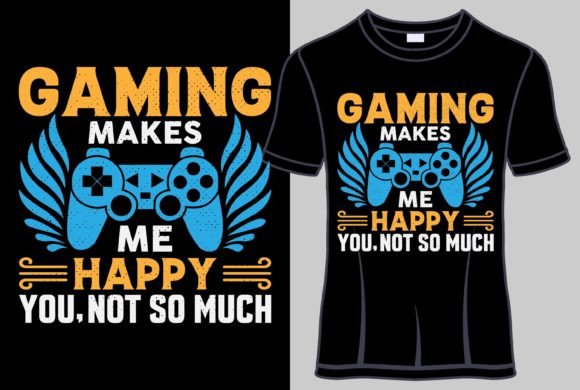
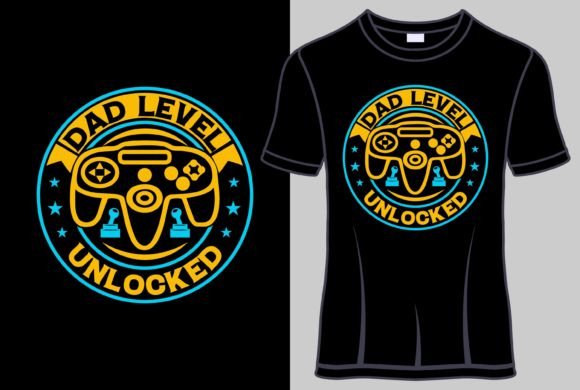
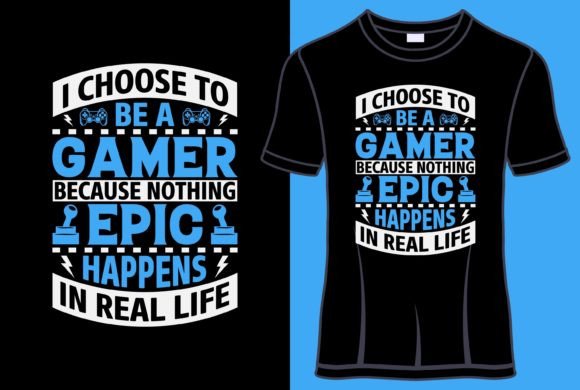
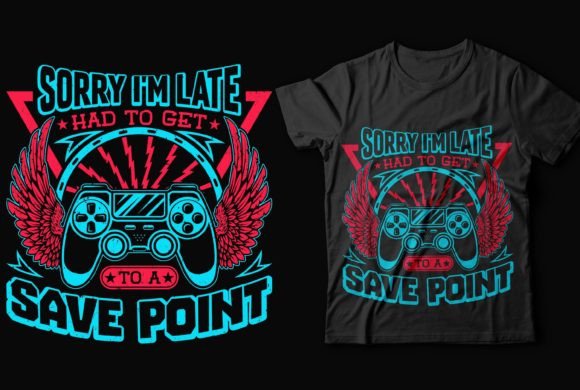
In a world dominated by sleek, modern technology, a curious and vibrant counter-culture thrives: the celebration of retro gaming. This isn't just about playing old games; it's a full-blown aesthetic movement, and one of its most popular and accessible expressions is wearable art. Retro gaming console t-shirt designs have become a ubiquitous symbol of nostalgia, personal identity, and creative commerce. These designs, often featuring iconic consoles like the Nintendo Entertainment System (NES), the original PlayStation, or the Sega Genesis, do more than just decorate a garment. They serve as a bridge between generations, a statement of personal history, and a thriving product category for designers and entrepreneurs.
More Than Just a Logo: The Significance of Retro Console Imagery
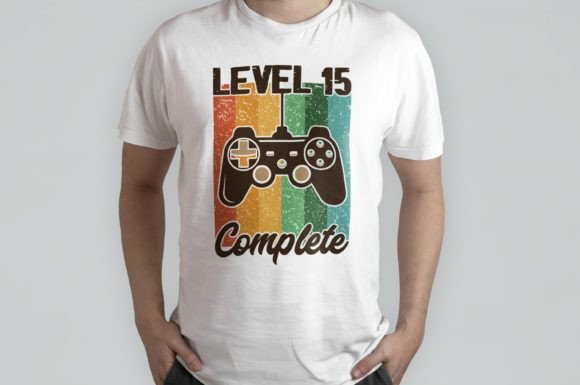
At first glance, a retro gaming design might seem like simple graphic decoration. But its purpose and significance are deeply rooted in cultural psychology. These consoles are not merely outdated machines; they are time capsules. For the generation that grew up with them, the pixelated logo, the distinctive controller shape, or the particular color scheme of a console evokes powerful sensory memories—the sound of a cartridge being clicked into place, the specific feel of the plastic, the hours spent in a carpeted living room. The t-shirt acts as a wearable trigger for that nostalgia, a way to carry a piece of one's formative years into everyday adult life.
Furthermore, these designs have become a form of non-verbal communication. Wearing a shirt with a classic Game Boy design instantly signals shared interests and experiences to others. It can spark conversations and create instant camaraderie. For younger generations who didn't experience these consoles firsthand, the shirt represents a curated, appreciated piece of design and history—an adoption of the "retro cool" aesthetic that values the simpler, bold graphic language of 80s and 90s technology.
The Practical Engine: Vector Files and Print-Ready Design
The vibrant world of retro gaming apparel is powered by a very practical, technical foundation: professional graphic file formats. When a description mentions "100 vector file CMYK color mode" or "Available vector EPS 10 version," it is referring to the essential toolkit for bringing these designs to physical life. Unlike standard photos (JPG, PNG), which are made of pixels and can blur or pixelate when enlarged, vector files (like AI and EPS) are built using mathematical paths and points. This means they can be scaled to any size—from a small mug logo to a large poster—without any loss of quality or sharpness.
The CMYK color mode is specifically calibrated for professional printing, ensuring the vibrant blues, reds, and yellows of a Super Nintendo logo translate accurately from screen to fabric. The inclusion of multiple file types (AI, EPS, JPG, PDF, PNG) caters to every step of the process. A designer uses the AI file to easily modify and change colors. A print shop might use the high-resolution PDF or EPS. The JPG and PNG files are perfect for online previews and marketing. This comprehensive file package transforms a creative idea into a versatile, commercial-ready asset.
From Digital File to Everyday Product: The Versatile Applications
The true power of a well-prepared retro console design lies in its astonishing versatility. The prompt rightly notes, "This design you can be used on T-Shirts, Mugs, Bags, Poster, Cards and much more." This isn't just a list; it's a blueprint for a micro-business or a personalized creative project.
- T-Shirts & Apparel: The classic canvas. It allows the design to be part of one's daily wardrobe and personal expression.
- Mugs & Drinkware: Brings nostalgia to the morning routine. A PlayStation 1 logo mug makes a coffee break a statement.
- Bags & Accessories: From tote bags to laptop sleeves, it extends the aesthetic to functional carry items.
- Posters & Wall Art: Transforms a room or workspace, celebrating the design as a piece of standalone art.
- Cards & Stationery: Creates unique, themed greeting cards or invitations for fellow enthusiasts.
This multi-use capability demonstrates how the topic fits seamlessly into modern life, blending creativity, business, and personal passion. An individual can buy such a design pack to create a custom gift. An online entrepreneur can use it to populate an entire storefront across multiple product categories without needing separate designs for each item. It democratizes design application.
Clarifying Common Misunderstandings
There are a few assumptions worth clarifying for beginners exploring this field. First, owning the vector files does not automatically grant copyright ownership of the console logo itself—those trademarks are still held by the companies. However, using the designs for personal, non-mass-commercial projects, or as part of clearly nostalgic/fan art, is generally accepted within community norms. Second, "high resolution PNG" is excellent for digital use, but for physical printing, especially large-scale, the vector files are indispensable. Finally, a "100 vector file" offering doesn't mean 100 different consoles; it often means 100 variations—different color schemes, stylistic treatments (outline, filled, textured), or compositions of the same core console design, providing immense flexibility.
Building a Broader Understanding: Nostalgia as a Creative Economy
Retro gaming console t-shirt design is a perfect case study in how nostalgia has evolved into a robust creative economy. It sits at the intersection of several powerful trends:
- The Rise of Geek Culture: Once niche, gaming history is now mainstream culture, worthy of celebration and merchandise.
- The Demand for Personalization: Consumers increasingly seek products that reflect their specific identities and memories, not just generic fashion.
- The Accessibility of Technology: Online marketplaces, print-on-demand services, and easy-to-modify vector files allow anyone to participate as a creator or retailer.
- The Value of Simplicity: In contrast to complex modern graphics, the clean, bold lines of retro hardware logos offer timeless, easily recognizable design.
This ecosystem benefits multiple parties. Fans get access to a vast array of products that honor their passions. Graphic artists and designers find a perennial, in-demand subject matter. Small businesses can tap into a market with deep emotional engagement. It shows how a specific, narrow topic—a design of an old gaming machine—can ripple out into wider discussions about memory, commerce, design principles, and community building.
A Timeless Pixel in the Modern Wardrobe
Ultimately, a retro gaming console t-shirt design is far more than ink on cotton. It is a pixelated badge of history, a vector of personal story, and a scalable asset for creative enterprise. It leverages professional graphic preparation to ensure that the bold, blocky logos of our past can be worn, used, and displayed with perfect clarity today. By understanding the significance behind the imagery, the practicality of the file formats, and the vast applications across products, one gains a clearer view of how such a simple concept resonates so powerfully. It reminds us that in our fast-paced digital age, there is enduring value and beauty in the tactile memories and straightforward designs of our technological childhood, forever captured and ready to print.