The Power of Premium Files for Your Gaming Business Brand
In the world of a gaming business, your brand identity is your battleground armor. It's what separates you from the crowd, builds player loyalty, and communicates your ethos instantly. While game development is the core, the visual components—logos, icons, promotional graphics, and merchandise designs—are the frontline troops. Creating these assets requires not just creativity, but the right technical ammunition. This is where understanding and utilizing premium, multi-format design files becomes a critical, yet often overlooked, business strategy.
What Are You Actually Getting? A File Breakdown
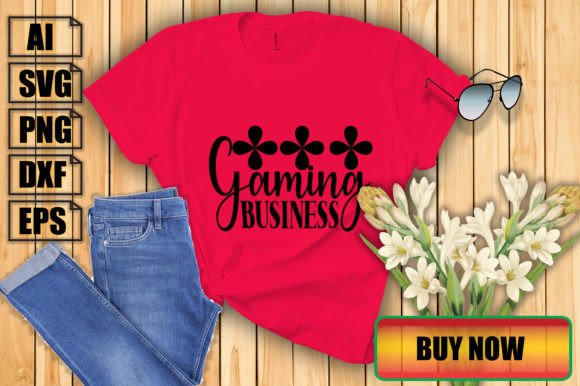
When you purchase or commission a design for your gaming business, receiving a single PNG file is like getting a key that only opens one door. For true versatility and professional application, you need a master key set. A professional package typically includes four core file types, each serving a distinct and vital purpose in your operational workflow.
The SVG: The Scalable Vector Foundation
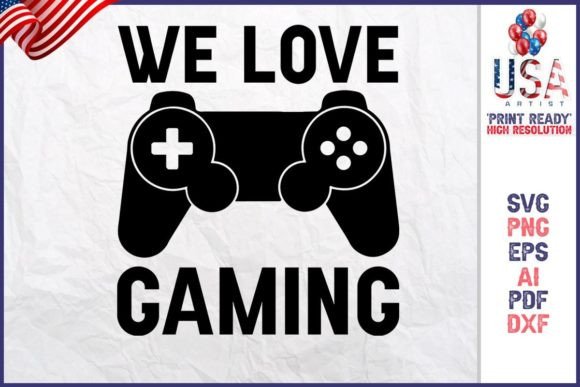
The SVG (Scalable Vector Graphics) file is your design's pure, mathematical blueprint. Unlike formats made of pixels, SVG defines shapes using paths and points. This means it can be scaled to any size—from a tiny app icon to a massive booth banner—without any loss of quality or blurring. For a gaming business that operates across platforms (websites, mobile apps, merchandise), this is indispensable. It's the preferred file for modern web development, ensuring crisp logos on all screen resolutions. It works seamlessly with software like Circuit Explore, Adobe Suite, and Inkscape, allowing your team or partners to edit and adapt the design without starting from scratch.
The DXF: Direct Access for Craft and Merchandise
If your gaming business ventures into physical products—custom T-shirts, branded acrylic keychains, vinyl decals for events—the DXF (Drawing Exchange Format) file is your bridge to production. This vector format is specifically tailored for computer-controlled cutting machines, like those from Silhouette. Its beauty lies in accessibility: many gaming business entrepreneurs or community managers use the free version of Silhouette software to create merchandise. Having the DXF means they can directly import the design and start cutting, no expensive software licenses or complex conversions required. It democratizes the manufacturing process for smaller operations.
The EPS: The Industry-Standard Vector for Professionals
The EPS (Encapsulated PostScript) file is the veteran, the reliable industry-standard vector format. It's universally accepted by professional-grade design software like Adobe Illustrator, Corel Draw, and Inkscape. When you collaborate with external agencies for marketing campaigns, packaging design, or high-end promotional materials, providing an EPS file is a sign of professionalism. It ensures the asset can be integrated into complex layouts, edited precisely, and output reliably for any print medium, from glossy magazine ads to high-quality tournament posters. For a growing gaming business, this file facilitates smooth partnerships.
The High-Res PNG: The Immediate-Use Visual
Finally, the PNG file with a 300dpi resolution and transparent background is your ready-for-action soldier. This is the pixel-based image you immediately use in digital contexts: social media posts, website banners, email newsletters, or digital storefronts. The high resolution ensures it looks sharp even in large formats, and the transparent background means you can overlay it onto any other visual without a messy white box. It’s the go-to file for quick deployment, perfect for community managers and marketing teams who need to move fast without delving into design software.
Why This Multi-Format Approach Is a Business Imperative
Think beyond just "having a logo." For a modern gaming business, your visual assets are dynamic tools. They need to perform across a staggering variety of contexts. A single-format approach creates bottlenecks, increases costs, and limits your brand's agility.
Consider these common scenarios:
- You launch a new game and need to submit promotional assets to a digital store like Steam or the Epic Games Store. They require specific sizes and formats—often PNGs for images, but SVGs for scalable elements.
- Your community wants official merch. With the DXF and SVG files, you can either partner with a print-on-demand service or even produce limited-run items yourself for special events.
- You're sponsoring a tournament and need large-format stage graphics, stream overlays, and printed materials for the venue. The EPS and SVG files give the production company everything they need to scale and adapt the design professionally.
- You update your website. The developer uses the SVG for a responsive, crisp logo that adapts to every visitor's device, while the high-res PNG is used for fixed banner images.
Each format unlocks a different channel or partnership. By possessing all four, you retain complete control and flexibility over your brand's visual application. You avoid the nightmare of a pixelated logo on a large banner or paying a designer again just to convert a file for a new use case.
Key Considerations Before Acquiring Your Design Files
When investing in brand design for your gaming business, your conversation with the designer should start with deliverables. Don't just ask for "the logo." Specify the need for a complete, multi-format package. Here are the practical factors to weigh:
- Software Ecosystem: What tools does your team use? If you rely on free tools like Inkscape or the Silhouette basic software, emphasize the need for SVG and DXF. If you work with professional agencies, EPS is crucial.
- Future-Proofing: Your business will evolve. You might not do merch today, but might tomorrow. Having the DXF now means you're prepared without future expense or hassle.
- Collaboration Readiness: Premium files make collaboration easier. You can easily share editable vectors with partners, co-marketers, or event organizers.
- Quality Assurance: Ensure the PNG is truly high-resolution (300dpi) and the vector files (SVG, EPS, DXF) are clean, with properly closed paths and minimal anchor points. A messy vector file can cause errors in cutting machines or professional software.
Observing successful gaming businesses, from indie studios to major esports organizations, reveals a common thread: they treat their brand assets as a scalable, adaptable system. The logo isn't just a picture; it's a set of intelligent files that empower every facet of their operation—from digital marketing to physical fan engagement.
Integrating Premium Assets into Your Workflow
Adopting this approach requires a small but strategic shift in mindset. Organize a central, accessible digital repository for your brand assets. Store not just the final images, but this master package of SVG, DXF, EPS, and PNG. Educate your team—marketing, community, development—on what each file is for. A simple internal guide can prevent misuse, like someone trying to scale a PNG for a billboard.
The practical benefit is efficiency and consistency. When a new marketing need arises, the asset is ready. When a fan proposes a cool merch idea, you can prototype it quickly. This operational smoothness directly supports growth. It allows your gaming business to present a polished, professional face across all touchpoints, reinforcing brand strength and saving valuable time and resources for what matters most: creating incredible gaming experiences.
In essence, these files are not just deliverables; they are empowerment tools. They transform your static logo into a dynamic brand engine, fueling every visual expression of your gaming business in a fragmented, multi-platform world. By prioritizing this comprehensive asset strategy, you build not just a brand, but a robust, adaptable visual infrastructure ready for whatever challenge—or opportunity—the game industry throws your way.