The Vibrant Ecosystem of Casino People: A Deep Dive into Gaming Culture
When you envision the world of casinos, what comes to mind? Perhaps the glint of a slot machine, the shuffle of cards, or the spin of a roulette wheel. But the true heartbeat of this universe is not just the games or the equipment—it’s the people. From the isometric illustrations of dealers and gamblers to the very real characters who populate gaming nightclubs, the concept of "Casino People" encapsulates a rich, multifaceted culture. This article explores this dynamic ecosystem, shedding light on its purpose, its characters, and its surprising relevance beyond the gaming floor.
From Vector Illustrations to Real-World Characters
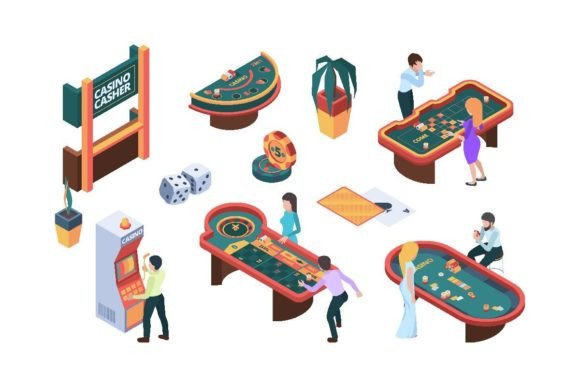
The term often originates from digital art and design, such as the "gambling poker, casino and roulette, jackpot luck characters vector isometric illustration" found in graphic asset libraries. These stylized depictions serve a crucial purpose: they visually communicate the energy, roles, and atmosphere of gaming environments. An isometric dealer holding cards, a player celebrating a jackpot, a roulette croupier—these aren't just generic figures. They are archetypes representing the diverse human elements that make a casino function.
In practice, these illustrations translate into a real cast of characters. The Dealer or Croupier is the conductor, ensuring game integrity and flow. The Player spans a spectrum from the casual tourist to the strategic high-roller. Casino Staff, including managers, security, and hospitality, form the supportive backbone. Each plays a distinct role, creating a complex social microcosm centered around games of chance and skill.
The Purpose and Significance of This Social Microcosm
The gathering of these "casino people" serves purposes far deeper than mere gambling. Historically, gaming houses have been social hubs—places for congregation, entertainment, and even networking. In a modern gaming nightclub, this blends with music, dining, and performance, creating a holistic entertainment experience. The significance lies in its role as a controlled social environment where risk, reward, etiquette, and psychology intersect.
For the individual, it can be a space for escapism, thrill-seeking, or testing one's nerve and strategy. For the community, it represents a significant economic driver, employing thousands and contributing to tourism. Understanding this ecosystem helps demystify casinos as simple "places to gamble"; they are carefully designed social theaters with their own rules, hierarchies, and cultures.
Casino People in Modern Life and Culture
The imagery and reality of casino people permeate areas far beyond the physical casino. Their influence is seen in:
- Popular Media: Films, TV shows, and literature frequently use casino archetypes—the cool dealer, the desperate gambler, the savvy pit boss—to drive narratives and explore themes of luck, fate, and human nature.
- Game Design & Digital Gaming: Online casinos and video games directly incorporate these character models and atmospheres to create authentic and engaging user experiences. The isometric illustrations from asset packs become the avatars and environments players interact with.
- Business & Marketing: The glamour and excitement associated with casino culture are often leveraged in advertising and branding to convey notions of luxury, risk-taking, and potential reward.
- Psychology & Sociology: Studying the interactions and behaviors within a casino offers insights into group dynamics, decision-making under risk, and the effects of environment on human behavior.
Clarifying Common Misunderstandings
Several assumptions about casino people and environments are worth addressing:
- Misunderstanding: It's All About Winning Money. While financial gain is a motivator, for many, the primary draw is the experience—the sensory stimulation, the social interaction, the challenge, and the story. The vector illustration of a smiling player at a slot machine often represents the joy of play, not just the jackpot.
- Misunderstanding: It's a Lone Activity. Contrary to the image of a solitary gambler, casinos are intensely social. Players interact with dealers, each other, and staff. Games like poker are fundamentally based on human competition and observation.
- Misunderstanding: The Characters Are Stereotypes. The "casino people" in illustrations may seem stereotypical, but they symbolize universal roles. In reality, the demographics and motivations of both players and staff are incredibly diverse.
The Practical Relevance: More Than Just Games
Examining the ecosystem of casino people offers practical lessons and analogies applicable to daily life and other fields:
Risk Management: The casino operates under strict mathematical and operational risk models. Observing this can inform broader principles of assessing odds, managing bankrolls (or budgets), and understanding the difference between calculated risk and blind chance.
Customer Experience & Service Design: A casino is a masterclass in designed experience. Everything—from lighting and sound to staff training and game pacing—is orchestrated to create a specific ambiance. This has direct relevance for hospitality, retail, and any service-oriented business.
Performance Under Pressure: Dealers and players alike must perform tasks with precision and maintain composure under pressure and scrutiny. This mirrors demands in many professions, from finance to sports.
Technology's Role in Shaping Modern Casino People
Technology has dramatically transformed who the "casino people" are and how they interact. Online platforms have created new archetypes: the live-streamed dealer interacting with remote players, the algorithm-driven "bot" opponent, and the global community of online gamblers. The isometric vector art now animates in digital interfaces, making the characters more interactive. Furthermore, data analytics now profiles player behavior in intricate detail, creating a new, invisible layer of "characters"—the analysts and algorithms that shape the gaming experience.
Building a Broader Understanding
To truly grasp the subject of casino people, one must view it through multiple lenses: historical, as a continuation of ancient gaming traditions; social, as a complex gathering place; economic, as a industry with real-world impact; and cultural, as a source of enduring imagery and narrative.
It is a world built on contrasts: chance versus strategy, individual desire versus institutional control, glamour versus addiction. The cheerful jackpot winner in the illustration and the tense poker player are two sides of the same coin. Recognizing this duality is key to a nuanced understanding.
In conclusion, "Casino People" — whether captured in a sleek isometric vector illustration or alive in a bustling gaming nightclub — represent a fascinating human system. They are the agents of a timeless human fascination with fortune, skill, and social play. By exploring their roles, their environment, and their wider cultural footprint, we gain insight not just into gaming, but into broader themes of risk, reward, entertainment design, and human interaction that resonate across modern life.