The Gaming NFT Color Line Icon: A Distinctive Asset in a Crowded Visual Marketplace
In the visually driven domains of blockchain gaming and digital asset marketing, the importance of clear, recognizable iconography cannot be overstated. Among the myriad of graphic resources available, the Gaming NFT Color Line Icon represents a specific and increasingly popular category of design asset. This article explores what this icon is, what sets it apart from other graphic styles, and how its distinct characteristics might make it the right or wrong choice for your project. Understanding these nuances is crucial for designers, developers, and content creators who need to communicate concepts around non-fungible tokens in gaming environments effectively.
Defining the Gaming NFT Color Line Icon
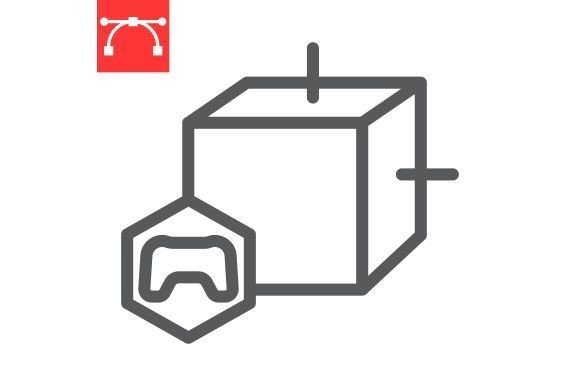
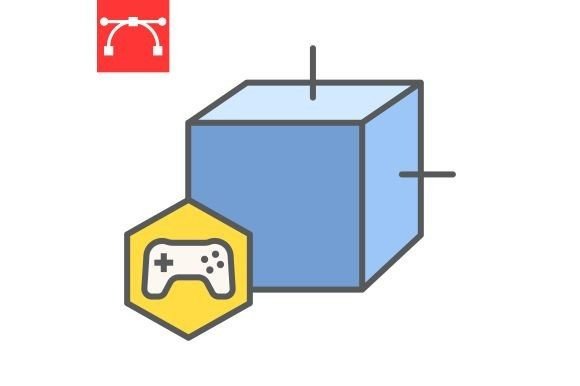
A Gaming NFT Color Line Icon is typically a vector graphic symbol that combines several key visual elements. It uses a line-art style, often with an editable stroke, to depict concepts related to gaming and non-fungible tokens. The "color line" aspect usually refers to the use of distinct, often vibrant colors within the outline or stroke of the icon, differentiating it from monochromatic line art. It embodies specific attributes: it is a vector graphic (meaning it is scalable without loss of quality), it features an editable stroke and filled outline, and it is commonly provided in formats like EPS 10, ensuring compatibility with professional design software. Its primary purpose is to serve as a visual shorthand for the intersection of gaming and blockchain-based unique digital assets.
What Makes This Icon Distinct from Other NFT Graphics
The visual marketplace for NFT and blockchain-related graphics is vast, ranging from complex 3D renders to flat pixel art. The Gaming NFT Color Line Icon occupies a particular niche. Its reliance on clean lines and color-defined strokes offers a balance between modern simplicity and sufficient visual detail. Compared to a fully filled, solid-color icon, the line style feels more technical and schematic, which can subtly communicate the underlying complexity and structure of blockchain technology. Versus a highly detailed illustration, it offers clarity and scalability, making it ideal for user interfaces, infographics, and instructional materials where visual clutter must be avoided.
Another key distinction is its format and usability. Being a vector graphic with an editable stroke means the icon is not a static image. Designers can adjust the stroke weight, change colors within the line, or modify the fill without degrading the image. This is a significant advantage over raster-based icons (like PNG or JPG) when adapting the asset for different applications, from a tiny mobile app button to a large banner header. The EPS 10 format further ensures this editability is preserved across Adobe Illustrator and similar vector editing tools, making it a professional-grade resource.
Comparing Styles and Approaches for NFT Communication
When selecting an icon to represent gaming NFTs, you are effectively choosing a visual tone. A hyper-realistic icon might convey value and tangibility but could feel out of place in a minimalist game UI. A purely flat, two-color icon might excel in simplicity but lack the energetic vibe associated with gaming. The Gaming NFT Color Line Icon sits between these extremes. Its colored lines inject energy and differentiation (the "gaming" feel), while the outline and stroke structure maintain a sense of precision and technology (the "NFT/blockchain" feel). This hybrid approach makes it versatile, but it’s not universally the best fit.
For projects aiming for a gritty, old-school pixel-art aesthetic, a color line icon might seem too clean and modern. Conversely, for a project wanting to emphasize luxury and exclusivity—perhaps for a high-value digital art collection—a more ornate or gold-accented icon could be more appropriate. The decision often hinges on the broader design language of your game, website, or marketing campaign and the specific emotional resonance you intend to create with your audience.
Strengths and Ideal Use Cases
The core strengths of the Gaming NFT Color Line Icon are its adaptability, clarity, and thematic balance. Its vector nature is a major practical benefit, allowing for seamless resizing across different platforms. The editable stroke means you can fine-tune it to match your existing design system’s line weights exactly, ensuring visual cohesion. From a communication standpoint, its balanced style makes it suitable for a wide range of applications.
- Game User Interfaces (UI): Where clear, recognizable icons for inventory, marketplaces, or token wallets are needed.
- Educational Content: Tutorials, blogs, or videos explaining gaming NFT mechanics, where a clean icon helps illustrate concepts without distraction.
- Marketing Materials: Website headers, social media graphics, or presentation slides where a professional yet engaging symbol is required.
- Developer Documentation: Technical diagrams or schematics showing asset flows or blockchain integration in games.
In these scenarios, the icon acts as a consistent visual anchor, helping users quickly identify NFT-related functions or topics within the gaming context.
Trade-offs and Potential Limitations
While versatile, the Gaming NFT Color Line Icon has inherent trade-offs. Its style, by definition, is not photorealistic or deeply textured. If your project’s visual identity is built around rich, immersive 3D environments or highly detailed art, this icon might appear too schematic or simplistic. It might fail to convey the depth or artistic value of the NFTs you are representing.
Another consideration is cultural or genre specificity. The "color line" style often leans towards a contemporary, tech-forward look. For a game steeped in historical fantasy or a specific retro aesthetic, this icon could feel aesthetically mismatched. In such cases, a custom icon designed within the game’s unique art style would likely be more effective, even if it sacrifices the universal recognizability and editability of a standard vector icon.
Furthermore, while the EPS format and editable strokes are great for designers with access to professional software, they present a minor barrier for individuals using only basic graphic tools. The icon’s utility is maximized within a professional design workflow.
When Another Option Might Be a Better Fit
Recognizing when the Gaming NFT Color Line Icon is not the optimal choice is key to making an informed decision. Consider alternative graphic styles if your primary need is:
- Maximum Emotional Impact: For a marketing campaign focused on the unique story or artistry of a single NFT, a custom illustration or 3D render of that specific asset would be more powerful.
- Genre Cohesion: If your game has a strong, unified pixel-art, watercolor, or charcoal-drawn style, an icon crafted in that same medium will better maintain the game’s immersive world.
- Ultimate Simplicity: For contexts where minimalism is paramount, such as a stark white-on-black interface, a simpler, monochromatic line icon without color fills might reduce visual noise further.
- Physical Merchandise: If the icon will be used primarily for printed materials, a very high-resolution raster version with subtle textures might avoid the sometimes overly "digital" look of pure vector lines.
In these situations, the generic, albeit well-crafted, nature of the standard Gaming NFT Color Line Icon could be a disadvantage. The alternative might involve commissioning custom artwork or seeking out a more niche graphic library tailored to your specific visual language.
Key Decision Factors for Selecting Your Icon
Choosing between using a Gaming NFT Color Line Icon or another visual solution involves evaluating several practical and aesthetic factors.
- Design System Compatibility: Does the icon’s line weight, color palette, and geometric style fit seamlessly with your existing UI/UX design system? The editable stroke is a benefit here, but the core shape must still align.
- Application Scalability: Will you need the same icon at vastly different sizes, from a favicon to a poster? The vector format’s scalability is a decisive advantage if yes.
- Audience Expectations: Does your target audience for the game or content associate this clean, tech-style icon with innovation and blockchain, or would a different style resonate more deeply with them?
- Production Resources: Do you have the design software and skill to fully utilize the editable vector file, or would a simpler, pre-rendered set of PNGs at various sizes suffice for your team’s workflow?
- Thematic Precision: Is "gaming NFT" the precise concept you need to visualize, or do you need an icon that leans more heavily towards "digital art," "crypto collectible," or "blockchain transaction"? Different icons convey different shades of meaning.
By weighing these factors, you can move beyond a simple search for an "NFT icon" to a more strategic selection of a visual asset that truly supports your project’s goals and identity.
A Practical Example: Integrating Icons into a Game Project
Imagine you are developing a mobile strategy game that incorporates NFTs as unique, tradable commander units. In the game’s clean, modern UI, you need a small icon to represent the "NFT Marketplace" button. A Gaming NFT Color Line Icon, with its editable stroke adjusted to match your UI’s 2px border standard and its colors aligned with your accent palette, would integrate perfectly. It would be instantly scalable for different device resolutions and clear to players.
However, for the actual visual representation of the NFT commanders within the game’s lore and marketing, you would not use this icon. Instead, you would commission full character illustrations that embody each commander’s unique story and abilities. The line icon serves the functional, UI purpose; the custom art serves the emotional, value-driven purpose. This layered approach demonstrates how a single graphic style is rarely a universal solution, and how the Gaming NFT Color Line Icon often excels in specific, systemic roles within a larger visual ecosystem.
Ultimately, the Gaming NFT Color Line Icon is a powerful, specialized tool in the digital designer’s toolkit. Its value lies in its crisp representation of a complex topic, its technical flexibility as a vector asset, and its balanced aesthetic that bridges gaming and technology. It is an excellent choice when you need a reusable, scalable, and clear symbolic asset for interfaces, explanations, or broadly themed marketing. Its limitations become apparent when the need shifts towards deep artistic integration, genre-specific styling, or conveying singular emotional value. By understanding both its distinct advantages and its inherent trade-offs, you can make a more informed, effective decision about when this particular icon is the right resource for your project and when exploring a different visual path might yield better results.