The Gaming NFT Line Icon: More Than Just a Vector Graphic
In the rapidly evolving worlds of digital design and blockchain gaming, a new category of asset is gaining prominence: the Gaming NFT Line Icon. At first glance, it might appear as simply a piece of vector art—a clean, minimalist symbol representing a game, character, item, or concept within a gaming universe. But its true significance lies in its nature as a non-fungible token. This combination of elegant design and cryptographic ownership is unlocking novel solutions for creators, gamers, and developers alike.
Understanding the Gaming NFT Line Icon
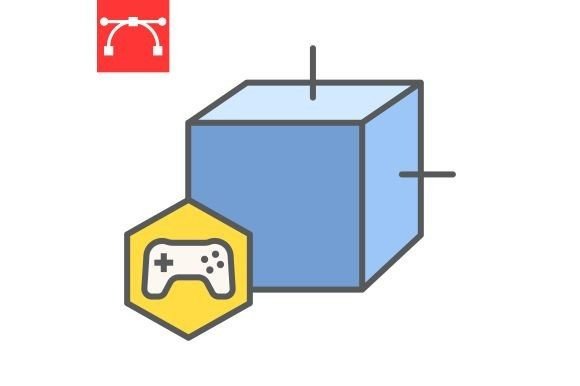
A Gaming NFT Line Icon is a specific type of digital asset. It is typically a vector graphic, characterized by its use of paths, points, and strokes to create a clean, scalable image. Common technical descriptors like "editable stroke outline sign" or "EPS 10" highlight its professional design quality, making it ideal for everything from in-game UI to marketing materials. The critical differentiator is that this vector icon is minted as a unique token on a blockchain, becoming a verifiable, owned, and tradable NFT. It is not just a file; it is a cryptographically-secured proof of ownership and authenticity attached to that visual design.
Key Challenges and Opportunities in Digital Gaming Assets
The gaming industry faces several persistent challenges regarding digital assets. For creators and independent artists, establishing ownership and preventing unauthorized duplication of their original designs is a constant battle. For gaming communities, there's a desire for tangible, tradable symbols of affiliation or achievement that hold value beyond a single game server. Developers seek efficient, scalable ways to represent in-game items, statuses, or achievements with consistent, high-quality visuals that can be used across multiple platforms and media.
Traditional digital graphics, while useful, are easily copied and lack intrinsic proof of origin or ownership. Simple badges or achievement icons within closed game ecosystems have no transferable value or utility outside that environment. The Gaming NFT Line Icon emerges as a potential solution to these interconnected problems by marrying immutable blockchain provenance with versatile, professional-grade design.
How Gaming NFT Line Icons Address Core Needs
The primary value of a Gaming NFT Line Icon lies in its dual nature. The NFT blockchain component solves the ownership and authenticity problem. Once minted, the icon's creation and transaction history are permanently recorded on the blockchain. This provides the creator with undeniable proof of authorship and establishes a clear, unbreakable chain of ownership for collectors or gamers.
Meanwhile, the vector graphics component solves the practical utility problem. An "editable stroke outline" vector icon is infinitely scalable without loss of quality. It can be seamlessly integrated into game interfaces, animated, recolored, or adapted for use on websites, merchandise, and promotional content. The EPS 10 format ensures it is ready for professional production environments. This makes the asset not just a collectible, but a functional, usable tool.
Practical Applications and Outcomes
The applications for Gaming NFT Line Icons are diverse and growing. For game developers, they can serve as official, owned logos for game factions or guilds. Players can purchase these as a mark of allegiance, with the NFT proving their official membership status, potentially unlocking in-game perks or governance rights. These icons can also represent unique, tradable in-game items—like a legendary sword's symbol—where the NFT is the ownership certificate and the vector icon is the visual used in inventory menus and character sheets.
For artists and designers, creating and selling a series of Gaming NFT Line Icons around a popular game theme allows them to build a verifiable portfolio and monetize their work directly to a passionate community. A collector might purchase an icon not only for its aesthetic appeal but as a stake in the game's cultural ecosystem, with the potential for its value to grow as the game gains popularity.
A practical outcome is the creation of a unified visual economy. A well-designed Gaming NFT Line Icon can function across the entire fan experience: as a profile picture on social media, a decal on a streaming overlay, a patch on virtual merchandise, and an emblem within the game itself. The underlying NFT ensures that all these uses are tied back to a single, authentic owned asset.
Recommendations and Useful Considerations
If you are considering utilizing Gaming NFT Line Icons, start by clearly defining the purpose. Is it for community branding, in-game asset representation, or artistic expression? Choose a blockchain that aligns with your target audience's familiarity and the technical requirements of your project. Ensure the vector graphic is created at a professional standard—clean lines, editable strokes, and proper grouping—to maximize its future utility.
Think about interoperability. Could the icon's design be easily adapted or animated? Consider licensing terms clearly within the NFT's metadata. Will owners have the right to commercially use the vector art? Transparency here builds trust. Finally, integrate thoughtfully with gaming platforms. How will ownership of the NFT be verified and displayed within the game or community hub? The technical integration is as important as the design.
Tailoring the Approach for Different Users
The approach to a Gaming NFT Line Icon differs significantly based on one's role.
- Game Developers & Studios: Focus on the icon as a functional asset and ownership mechanism. Prioritize design consistency with your game's art style and plan for seamless technical integration. The NFT aspect should enhance player engagement and create new, secure asset classes within your economy.
- Digital Artists & Designers: Focus on the creative expression and provenance. Your unique vector design is the core product. The NFT blockchain is the tool that protects your work and establishes a direct, verifiable sales channel to gamers and collectors. Build series and narratives around your icon sets.
- Gamers & Collectors: Focus on the combination of utility, status, and potential value. Evaluate an icon not only by its visual appeal but by its associated utility (what does owning it enable?), its authenticity (is it officially linked to a game or respected artist?), and its community significance.
Focusing on Implementation and Usefulness
Ultimately, the success of the Gaming NFT Line Icon concept hinges on its real-world usefulness. It must solve a problem or enhance an experience. For implementation, the path involves collaboration: designers must understand NFT minting processes, developers must understand how to read blockchain data to verify ownership in-game, and communities must understand the value of owning a verifiable digital symbol.
This asset represents a step towards a more integrated digital ownership layer for gaming culture. It moves visual assets from being mere disposable files to being owned, functional, and interconnected pieces of a gaming identity. By focusing on the practical outcomes—stronger creator rights, more meaningful player assets, and versatile design tools—the Gaming NFT Line Icon can transcend its technical description and become a valuable staple in the future of interactive entertainment.